Farm to Table
Eat locally. Eat seasonally. Know your farmers.
Farm to table eating is really about reconnecting with how and where food is grown and raised. When foods come from nearby farms and seasonal harvests, they’re usually eaten closer to their natural ripeness, which may support better freshness, flavor, and nutrient availability.
Why this matters
Local and seasonal foods are often:
picked closer to peak ripeness
delivered with fewer processing steps
minimally transported
handled less
This often means the food hasn’t lost as many naturally occurring nutrients along the way. Some research suggests that nutrients in fruits and vegetables may be more bioavailable when eaten fresh and close to harvest, because certain vitamins degrade during storage, long transit, and processing. That doesn’t mean fresh automatically equals better, just that freshness can play a role in how the body accesses nutrients.
A simple way to reduce processed foods
Choosing farm-to-table options often means food moves through fewer industrial steps, such as added preservatives, stabilizers, or extensive packaging.
Where to find local foods
Check out:
farmers markets
community co-op
local ranchers
organic orchards
regenerative farms
seasonal CSAs
small butcher shops
Regional specialties equals real freshness
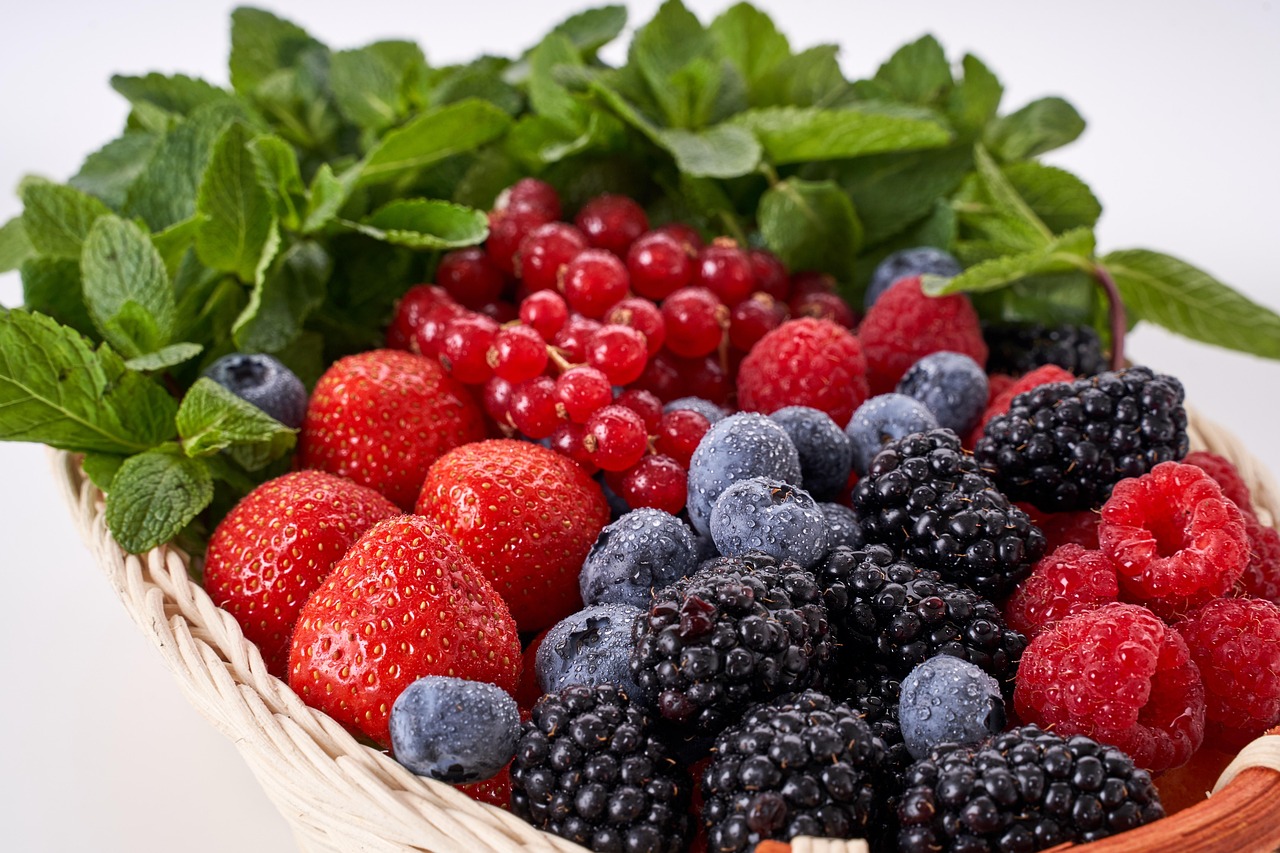
Seasonal regional produce is often harvested at peak ripeness, think summertime berries, fresh citrus, or specific varieties of apples. Many growers even ship only during peak season, which means the nutrient profile and flavor haven’t had time to decline.
Grow a Few Foods at Home
Growing even one or two fresh ingredients can make clean eating more enjoyable. A few beginner-friendly options include:
rosemary
peppers
patio tomatoes
Washing Your Produce: An Important Step for Cleaner Eating
Even with fresh, locally sourced produce, it’s important to properly wash them to remove dirt, pesticides, and harmful bacteria. Consuming clean, untainted food can help reduce unnecessary toxins and ensure you’re getting the most out of your diet.
How to Wash Produce with Baking Soda
Use this simple method to clean your fruits and veggies effectively:
Ingredients
- 1 teaspoon of baking soda
- 2 cups of water
Steps:
- Fill a large bowl or basin with 2 cups of water.
- Add 1 teaspoon of baking soda to the water and stir to dissolve.
- Soak your fruits and vegetables in the baking soda solution for 2-3 minutes. For harder produce like cucumbers or apples, use a brush to scrub the skin.
- Rinse the produce thoroughly with clean water to remove any baking soda residue.
Why It Works:
Baking soda is a natural, gentle cleaner that can help neutralize pesticide residues and remove dirt from the surface of produce. This process ensures that you’re getting the most out of your food, both in terms of cleanliness and nutrition, which is essential when supporting overall health.
Test Your Soil Before Planting
If you decide to garden, you’ll generally want to test your soil first. The easiest way is to send a small sample to your local extension office or agricultural testing service. They usually provide simple instructions and results can tell you if your soil needs organic material or nutrients before you begin.