Inflammation plays an essential role in healing and immune function. The challenge is when inflammation becomes ongoing or elevated. Researchers refer to this as chronic inflammation, and it has been associated with multiple health concerns over time.
Rather than focusing on a single ingredient or supplement, most nutrition studies point to dietary patterns rich in plant compounds, fiber, antioxidants, and healthy fats.
Omega 3 Rich Foods
Omega 3 fatty acids have been widely studied for their role in supporting immune function and inflammatory balance. Researchers often look at omega 3s because of their connection to cellular signaling and inflammatory pathways.
Foods naturally rich in omega 3s include:
- salmon
- sardines
- anchovies
- chia seeds
- flaxseeds
- walnuts
Some people choose omega-3 supplements, but getting these fats from whole foods provides not only minerals but additional nutrients.
Turmeric and Curcumin
Turmeric contains a natural compound called curcumin, which is frequently examined in studies about inflammatory processes. Curcumin may help the body maintain a balanced inflammatory response, although results differ between study models, dosage, and individual response.
Popular ways to include turmeric:
- golden milk
- turmeric tea
- cooking spices
Berries and Polyphenol Rich Fruits
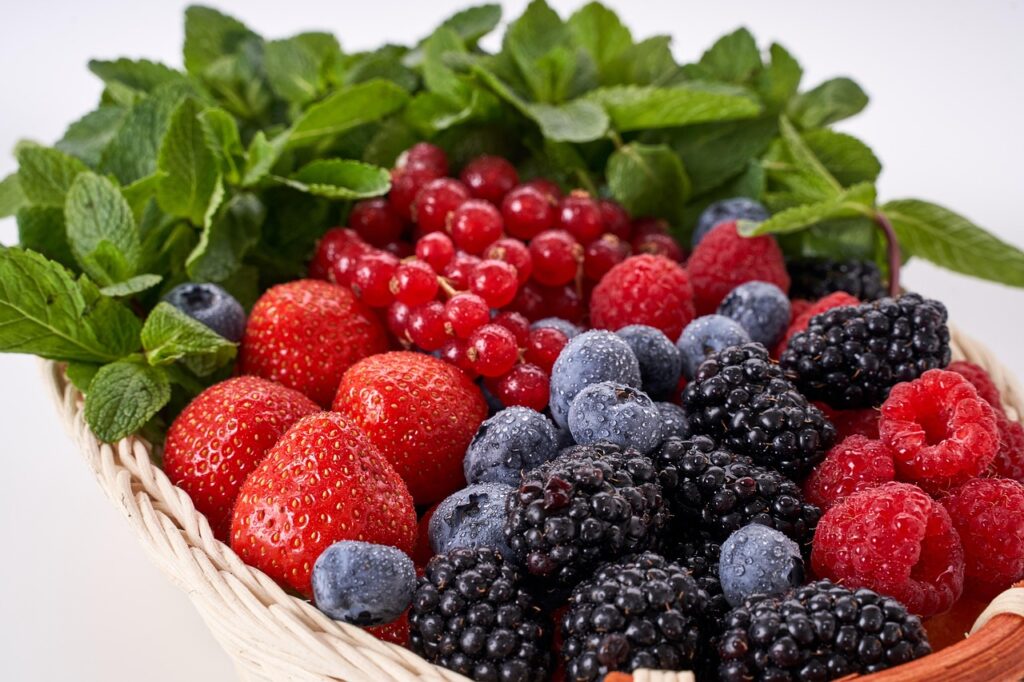
Many berries contain polyphenols and anthocyanins, which are researched for their antioxidant benefits. Antioxidants help support the body’s ability to manage oxidative stress, a process closely tied to inflammation.
Examples:
- blueberries
- blackberries
- raspberries
- cherries
Frozen berries are great also!
Leafy Greens
Leafy vegetables supply vitamins, minerals, fiber, and plant compounds believed to support overall wellness. Greens are frequently highlighted in research for their nutrient density and antioxidant profile.
Examples include:
- spinach
- kale
- arugula
- Swiss chard
Aim to include at least one serving of leafy greens daily if possible.
Keep in mind: Spinach contains natural purines, which the body converts into uric acid. For some people with gout, this may contribute to a flare up. However, spinach is also rich in nutrients and anti-inflammatory compounds, so others will benefit from it. Individual response varies, which is why throughout this website, there will be reminders about the importance of paying attention to how your own body reacts to certain foods.
Vegetables
A varied diet can provide a broader range of vitamins, minerals, fiber, antioxidants, and naturally occurring plant compounds. In addition to leafy greens, consider including:
- bell peppers
- sweet potatoes
- radishes
- cabbage
- beets
- carrots
As with any food, individual responses can vary. Paying attention to your own response can help you determine which foods work best for you.
Ginger
Ginger contains natural components known as gingerols, which researchers study for immune and inflammatory interactions. While ginger isn’t a treatment, many people use it as part of a supportive wellness routine.
Try adding ginger to:
- tea
- smoothies
- warm water with lemon
- salads


Pingback: Arthritis - Finding Remission